



Question

Dissolver: edges remaining because of 3D geometry

  • February 6, 2026
  • 4 replies
  • 81 views

damu
Contributor
Forum|alt.badge.img+3

Dear community,

I am currently working on FME Workbench 2025.0. My project take into entry areas in 3D that represent buildings roofs. It then spreads the data into two datasets: roofs and building using the latest ground footprint. 
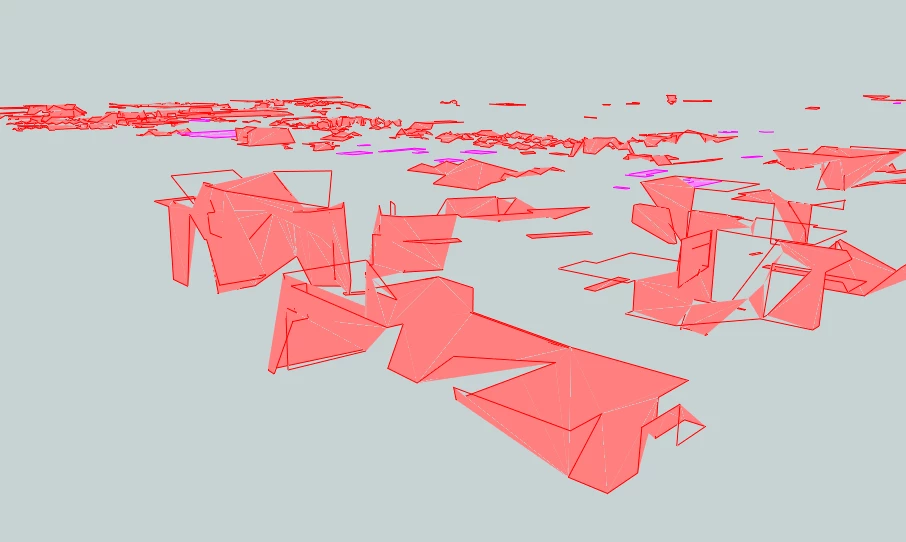
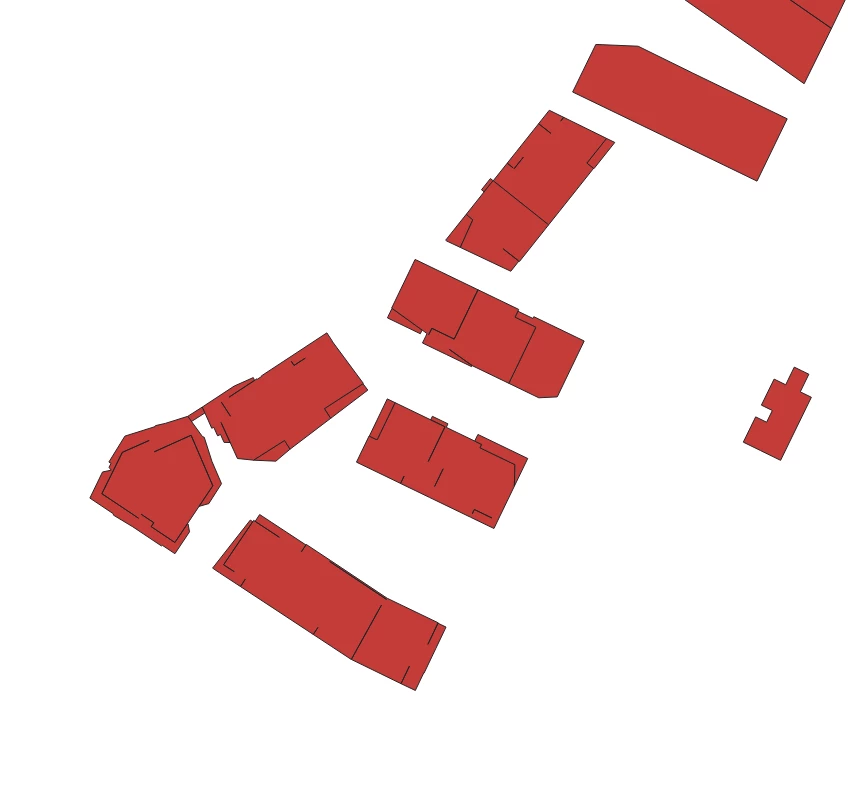
In order to do that, I am using the 'Dissolver' Transformer with the Group Processing option on. My issue is that some of the edges inside the building are remaining because they do no fit on the Z axis (see screenshots below).
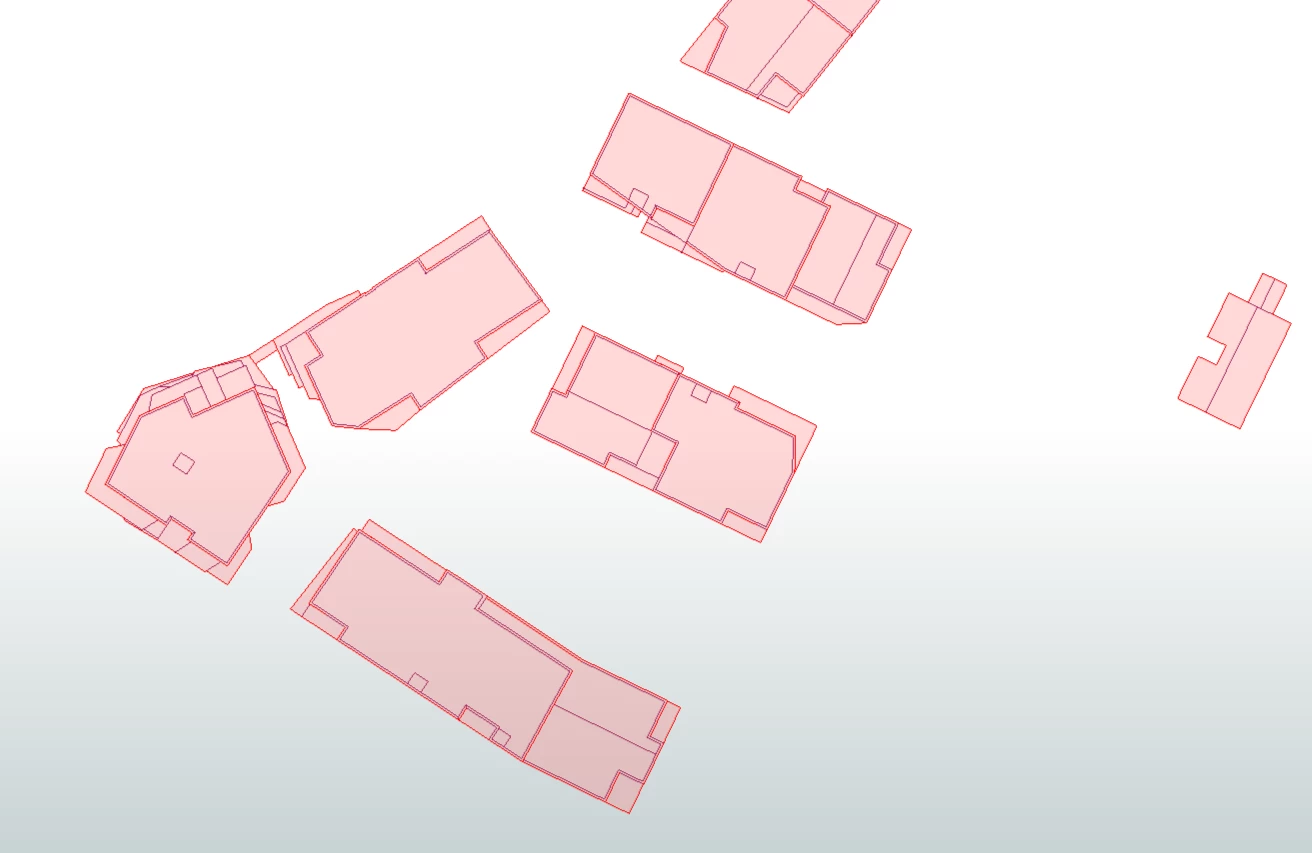
 

Dissolver operation: purple edges are classified as ‘Remanents’ after the operation, red one remain.
Result of Dissolver : on a 2D perspective, internal edges are remaining.
For better context: the result of the Dissolver from another perspective in 3D.

I tried to flatten the surfaces before proceeding to disolving the objects (these objects corresponding to 'Building' will be flattened at some point of the workbench anyway), but still the same edges are remaining. 

Thank you for your help.

4 replies

damu
Contributor
Forum|alt.badge.img+3
  • Author
  • Contributor
  • February 9, 2026

I think that my issue is pretty similar to the one that you can find here: How to identify walls that lie on the building outline? | Community


hkingsbury
Celebrity
Forum|alt.badge.img+69
  • Celebrity
  • February 11, 2026

You can remove all Z values using the 2DForcer - would this work for your use case?


https://docs.safe.com/fme/2025.1/html/FME-Form-Documentation/FME-Transformers/Transformers/2dforcer.htm


damu
Contributor
Forum|alt.badge.img+3
  • Author
  • Contributor
  • February 12, 2026

Hi ​@hkingsbury

Yes I already tried using the 2DForcer before using the Dissolver, but unfortunately, that does not work for dissolving those edges.


evieatsafe
Safer
  • Safer
  • February 23, 2026

Hi ​@damu thanks for your question, I also thought for sure the 2DForcer would work so I’m thinking maybe something is unique with your data? Are you able to share a sample of your data, like one building that has this behaviour?

The only thought is that there’s tiny gaps in the boundary. A sample of your data could help greatly in our investigation an find out what a solution could be!